
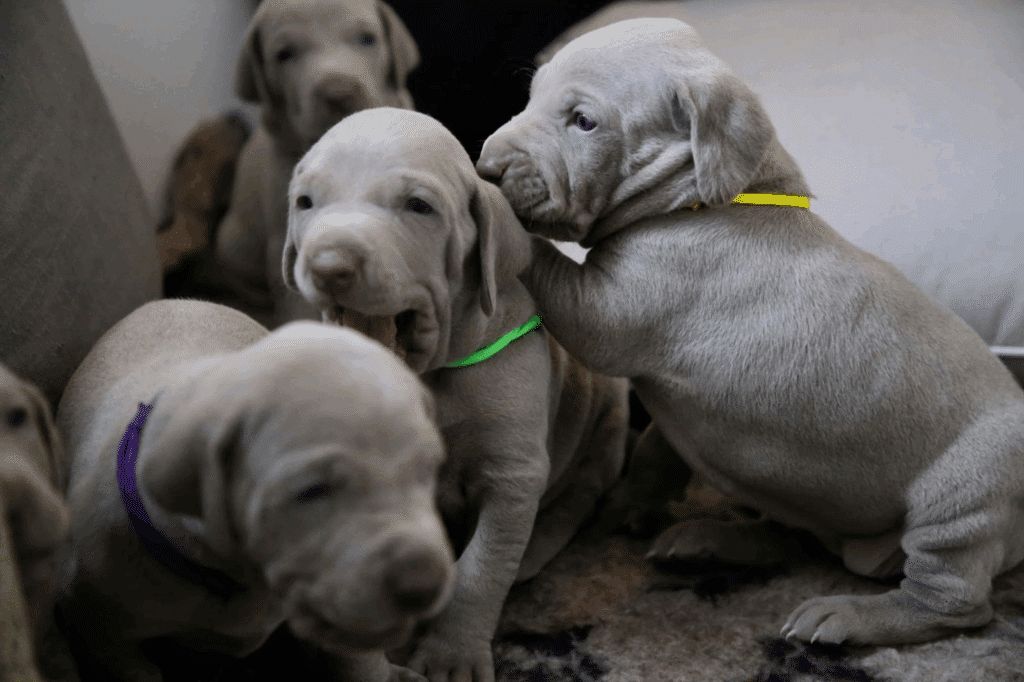
Whether you just scooped up a new pup from a rescue or brought home a carefully chosen purebred, puppy obedience classes can help you lay a rock-solid foundation for a lifetime of good behavior. These introductory sessions do more than just teach commands like “sit” and “stay.” They also boost your confidence as an owner, help your puppy grow into a well-mannered companion, and make everyday life less stressful overall. In this post, you’ll discover how structured classes support healthy development, tackle common problem behaviors before they start, and give you the tools you need to raise a happy dog. Let’s jump right in.
Discover why puppy obedience matters
When you think about raising a puppy, it’s tempting to imagine carefree cuddle sessions and playful afternoons in the yard. However, those adorable early days come with plenty of challenges, from chewing on your favorite shoes to barking at neighbors. Here’s the thing: a well-planned training approach can tame these issues before they escalate.
Obedience training sets boundaries in a positive, loving way. Rather than leaving your pup to guess what’s off-limits, you show them step by step. This clarity reduces nervous energy that can lead to bad habits. Essentially, a puppy that knows the rules feels more secure and is less likely to act out.
Another hidden perk is that learning breeds confidence in both you and your dog. The process of teaching commands, rewarding success, and watching your puppy “get it” is incredibly motivating. Plus, you’ll discover your style of communication and leadership, which is especially helpful if this is your first time raising a dog.
Explore core benefits
You might be wondering, “Why not just watch online videos or wing it at home?” There’s nothing wrong with introducing basic commands in your living room. But structured classes, especially those led by professionals, bring a range of benefits you won’t find as easily elsewhere.
- Expert guidance
Certified trainers handle puppies of all breeds, sizes, and temperaments. They’ve seen it all and can tailor their advice to your dog’s specific quirks. If your puppy is extra shy or distractible, an experienced pro knows how to adjust activities so your dog doesn’t feel overwhelmed. - Hands-on feedback
We all have blind spots, especially when we’re new at something. In a class setting, you’ll get real-time coaching on your body language, timing of treats, and how you’re delivering commands. Minor tweaks can make a world of difference in improving your puppy’s response. - Motivation to stay consistent
Ever try to do a self-paced workout program at home and lose steam within a week? Puppy training can suffer the same fate without accountability. In a group class, you’ll have a weekly schedule, small homework assignments, and a sense that you’re part of a bigger journey. - Peer support and camaraderie
Seeing others go through the same puppy pitfalls can be unexpectedly comforting. You may even form friendships with classmates that extend beyond the training hall, setting up puppy playdates or exchanging tips on grooming and vet care.
Encourage proper socialization
Socialization involves introducing your puppy to a variety of people, animals, objects, and environments in a positive manner. We’re talking about interactions with kids, older adults, different dog breeds, and new situations like noisy traffic or unfamiliar parks. It’s crucial that these experiences happen early, while your pup is most open to learning.
Why group lessons help
In a class, your puppy meets other canines in a controlled setting. You don’t have to worry that a larger or more rambunctious dog might bully yours. Professional trainers set boundaries so interactions remain safe. Puppy classmates also pick up on each other’s cues, which helps them learn how to communicate and read body language better.
But socialization doesn’t end with fellow canines. Classes often include exposure to various sounds and scenarios: think vacuum cleaners, doorbells, or the rustling of plastic bags. Over time, you’ll see your pup grow more accepting of everyday noises and less prone to spook at the little things.
Overcoming fear and anxiety
A well-socialized puppy is less likely to develop fear-based behaviors like trembling at the vet’s office or barking nonstop at visitors. Early exposure under calm, positive conditions, along with plenty of treats and praise, sends a clear message that new or unexpected things aren’t scary.
When you make socialization a priority, you’ll notice your dog’s overall temperament is more patient and adaptable. This can translate to fewer meltdowns if you decide to take your furry friend on road trips or flights in the future. You’ll both be more at ease in unfamiliar environments, confident you can handle whatever comes your way.
Prevent future behavioral issues
One of the best reasons to invest time in structured training is to avoid problems before they become ingrained habits. Typical stumbling blocks might include constant barking, jumping on counters, or impatient behavior when waiting for meals. Let’s be honest, re-training an older dog can be challenging. So, it’s easier (and less frustrating) to tackle issues while your puppy still has a clean slate.
Nipping, chewing, and more
Puppies explore their world with their mouths. If your little buddy is happily gnawing on your coffee table leg, it’s not because they’re out to destroy furniture for fun. They’re simply restless or teething. Puppy classes help redefine acceptable chewing targets and teach you how to redirect their focus. A trainer might suggest puzzle toys, frozen dog-safe treats, or a rotating selection of chew items to keep that mouth busy in all the right ways.
Setting boundaries early
Along with curbing undesirable habits, you can teach your puppy boundaries that keep everyone happy. Maybe that means learning not to bolt when a door opens, or calmly waiting in a specified area during family dinner. If you instill these rules now, you can likely prevent bigger safety issues down the line. Think of it as fortifying your home environment so your puppy knows exactly where they fit into daily routines.
Reward-based learning
Modern dog training methods emphasize positive reinforcement, frequent treats, verbal praise, and gentle encouragement. Classes spotlight how to properly reward a pup so they connect good behavior with something fun. It’s a lot more effective (and kindness-focused) than punishments or scolding. Over time, you’ll see the trust between you and your puppy deepen because you’ve become a safe, predictable leader.
Choose the right training format
Puppy classes can vary in length, intensity, and setting. Understanding which format is best for you depends on your goals, availability, and comfort level. Here’s a quick comparison to guide your decision:
| Format | Pros | Cons |
| In-person group | Real-time feedback, social setting | Fixed schedule, might be busy or distracting |
| Private at home | Customized lessons, flexible timing | More expensive, less socialization with other dogs |
| Online classess | Learn from home, often self-paced | Fewer hands-on corrections, less dog-to-dog contact |
Finding seasoned professionals
When searching for the perfect tutor, you can start by checking out local trainers and reading online reviews. You may even come across puppy training classes that have excellent testimonials from neighbors or community groups. It’s a good idea to ask about each trainer’s philosophy and techniques, especially if you’re eager to retain a positive, fear-free approach.
Things to consider
- Class size: Smaller classes usually mean more individual attention. Ask about maximum enrollment and consider your puppy’s personality. A timid pup may do better in a group of six than in a group of 15.
- Curriculum focus: Some programs emphasize advanced obedience, while others target socialization and basic manners. Pick one that aligns with your immediate goals, like potty training or good leash etiquette.
- Trainer credentials: Look for certifications from reputable organizations, such as the Certification Council for Professional Dog Trainers (CCPDT). Experience matters, too, since you want someone who can adapt to unexpected puppy antics.
Make classes fun and consistent
No matter which route you choose, remember that puppies thrive on routines and positive reinforcement. You can’t just show up to class once a week and expect miracle changes. The real work happens daily as you reinforce commands during mealtime, walks, or play sessions. Try these tips to keep the momentum going:
- Practice in short bursts
Rather than marathon sessions that tire you both out, aim for five-minute training intervals sprinkled throughout the day. Puppies have short attention spans, so frequent mini-lessons are more likely to stick. - Keep treats and toys handy
Rewarding on the spot is crucial so your pup associates the exact behavior with a positive outcome. Keep small treats in your pocket and be ready to cheer the second they figure out a new command. - Celebrate little victories
Did your pup master “sit” without you having to repeat it 10 times? Throw a mini-party. Clap, use a happy tone, and let them know they nailed it. Dogs feed off your excitement and will want to keep doing what pleases you. - Stay patient and empathetic
It’s easy to get frustrated if progress isn’t linear. Remember that puppies learn at different paces, and regression can happen during growth spurts or teething phases. Patience and consistency will pay off in the long run.
Building a lifelong bond
Training is really about communication. As you guide your puppy through various exercises, you begin to speak each other’s language. Over time, your dog figures out that your instructions make life more predictable and fun, treats, walks, and playtime get more exciting when they cooperate. You might also find yourself reading subtle cues from your puppy, like a certain tilt of the ears that signals stress or a tail wag that shows intense curiosity.
Wrap up your plan
By now, you’ve got a solid understanding of how training classes go beyond just teaching “sit” and “stay.” They’re an anchoring point for socialization, a safety net against future behavioral hiccups, and a fantastic way to build trust. Ideally, once you’ve completed an initial puppy course, you’ll feel energized to explore advanced training, like agility or therapy dog certification, if that suits your lifestyle. The sky’s the limit when you have a strong training foundation.
As you narrow down your choices, don’t forget the importance of personal fit. Look for a trainer or program that resonates with your values, and keep a watchful eye on how your puppy reacts. If your furry friend seems comfortable and excited, you’re probably in the right place. Training is a journey, and the steps you take now will help you and your dog enjoy each other’s company for years to come.
It’s time to roll up your sleeves and get started. Schedule a visit at a local facility, watch a class to see how it feels, or reach out to a recommended trainer for a quick chat. You’ve got this. Here’s to a lifetime of wagging tails, trust me, you’ll be so glad you invested in proper guidance early on. Now grab the treats, lace up your sneakers, and let the puppy training adventure begin!